 “To be flawlessly monstrous is, thank heaven, not easy.”
“Life, happily, will not have it.”
(Trigger warning: Politics…but, hey, it’s Moliere!)
“To be flawlessly monstrous is, thank heaven, not easy.”
“Life, happily, will not have it.”
(Trigger warning: Politics…but, hey, it’s Moliere!)
 “Many of us ordinary folk find complicated ways in which to give expression to our disappointment in romance, like getting drunk, like going to the dogs, like murdering a beloved one, like marrying the wrong person. But Flaubert found a simple, forthright, logical way: he wrote a novel which satirized romantic love, which narrated the tragedy of a woman who began life with a belief in love and whose own tragic disappointment mirrored his own. The result was that Flaubert wrote, around so utterly humble a theme, the novel which is now considered the masterpiece among all French novels; and he even inspired the giving of a name to this romantic mood when Jules de Gauthier aptly called it ‘Bovarysm‘.” Continue reading
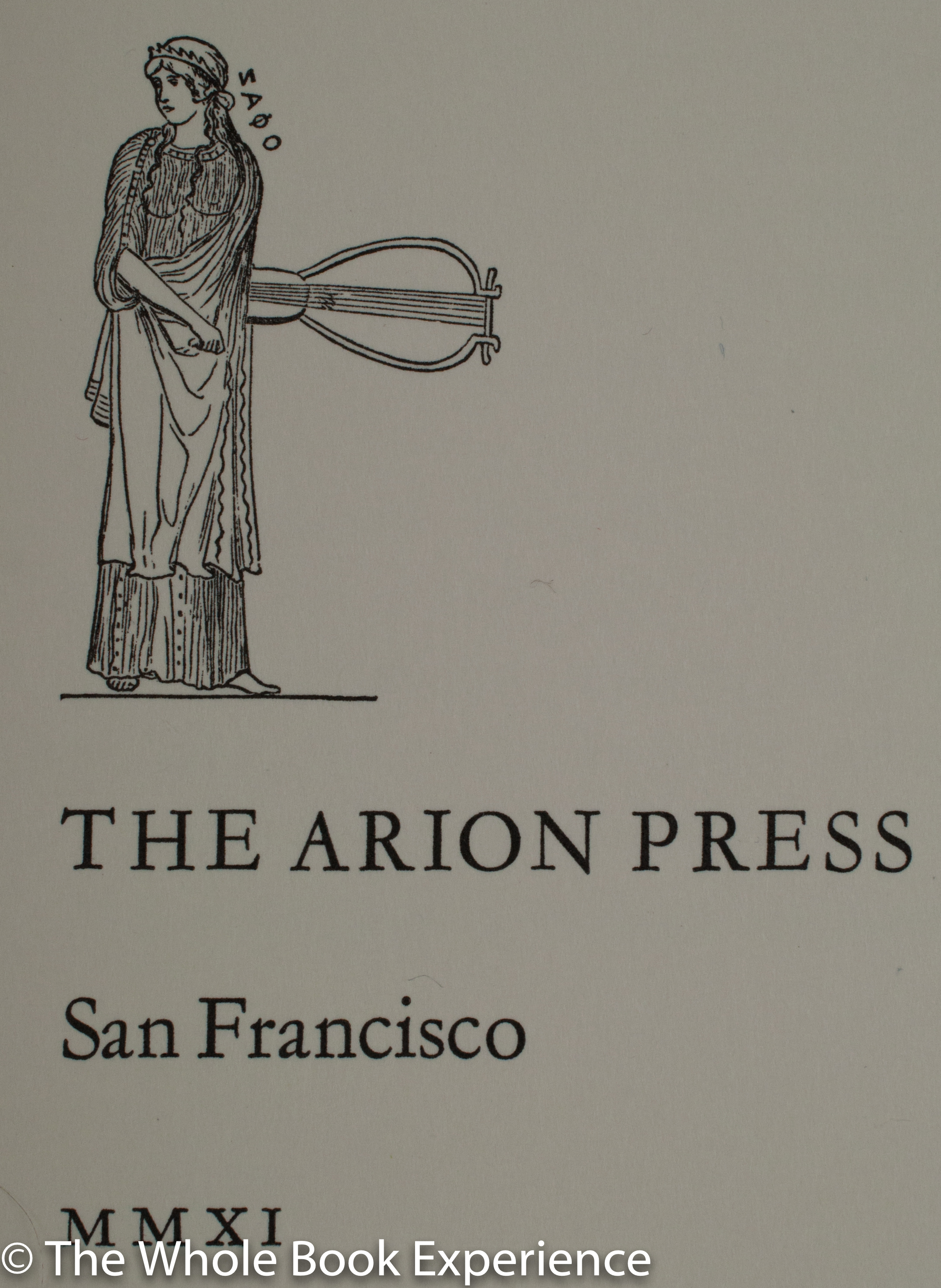
Sappho Illustration
A little over a year ago I wrote a post about women writers being represented in fine and private press offerings. And about my reading of women writers generally. That post can be reviewed here. I embarked on a year of deliberately reading women writers. I wasn’t rigid about it. If I really wanted to read a book that happened to be written by a man, I did. Starting with 2015 already almost halfway behind me, I set a goal to read 75% women writers in that calendar year, and then let it even out after that. I thought I’d share some of the numbers and my experiences and thoughts from this exercise. Continue reading
Away! Away! for I will fly to thee,
Not charioted by Bacchus and his pards,
But on the viewless wings of Poesy,
Though the dull brain perplexes and retards…
–from Ode to a Nightingale
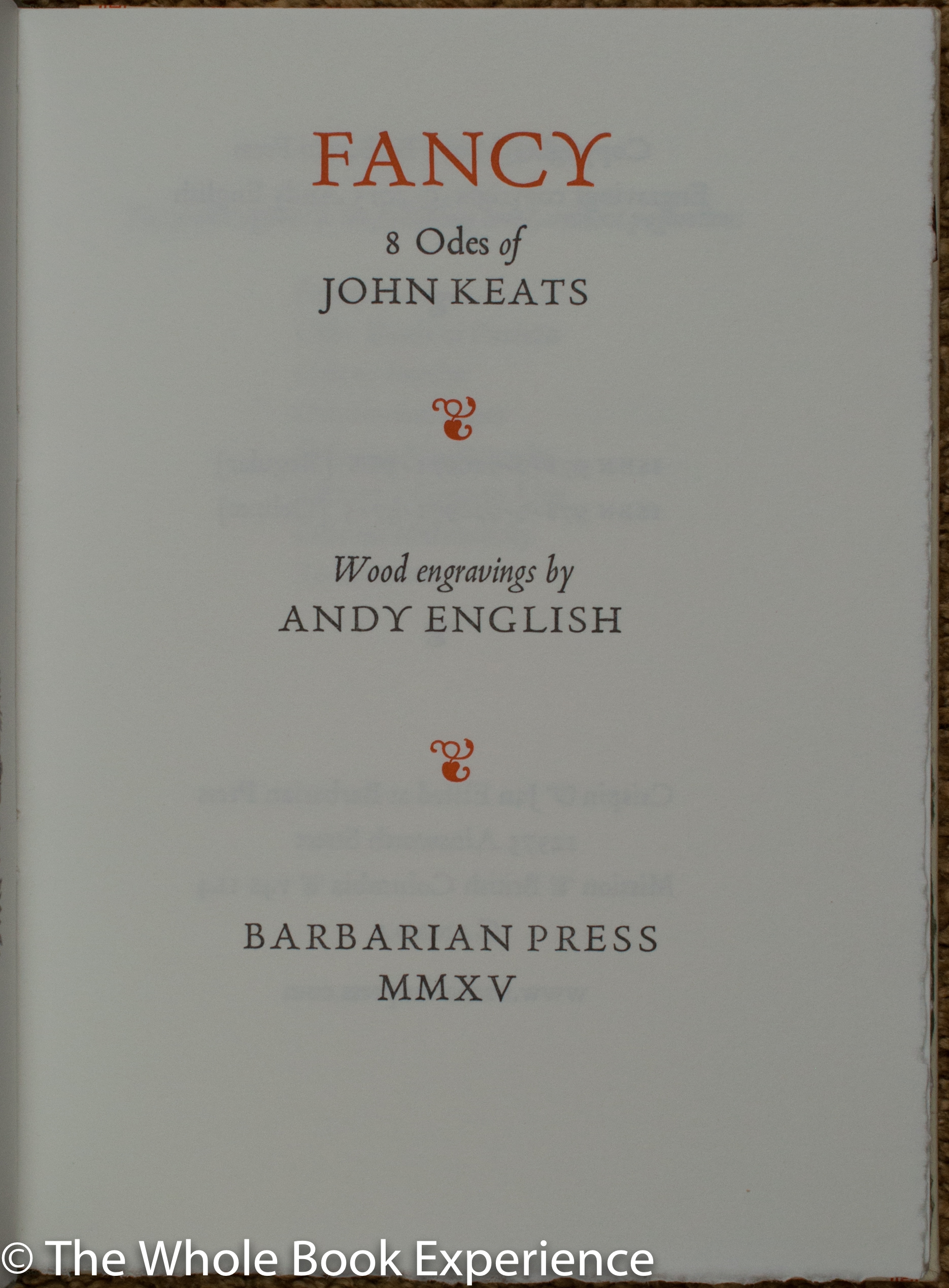
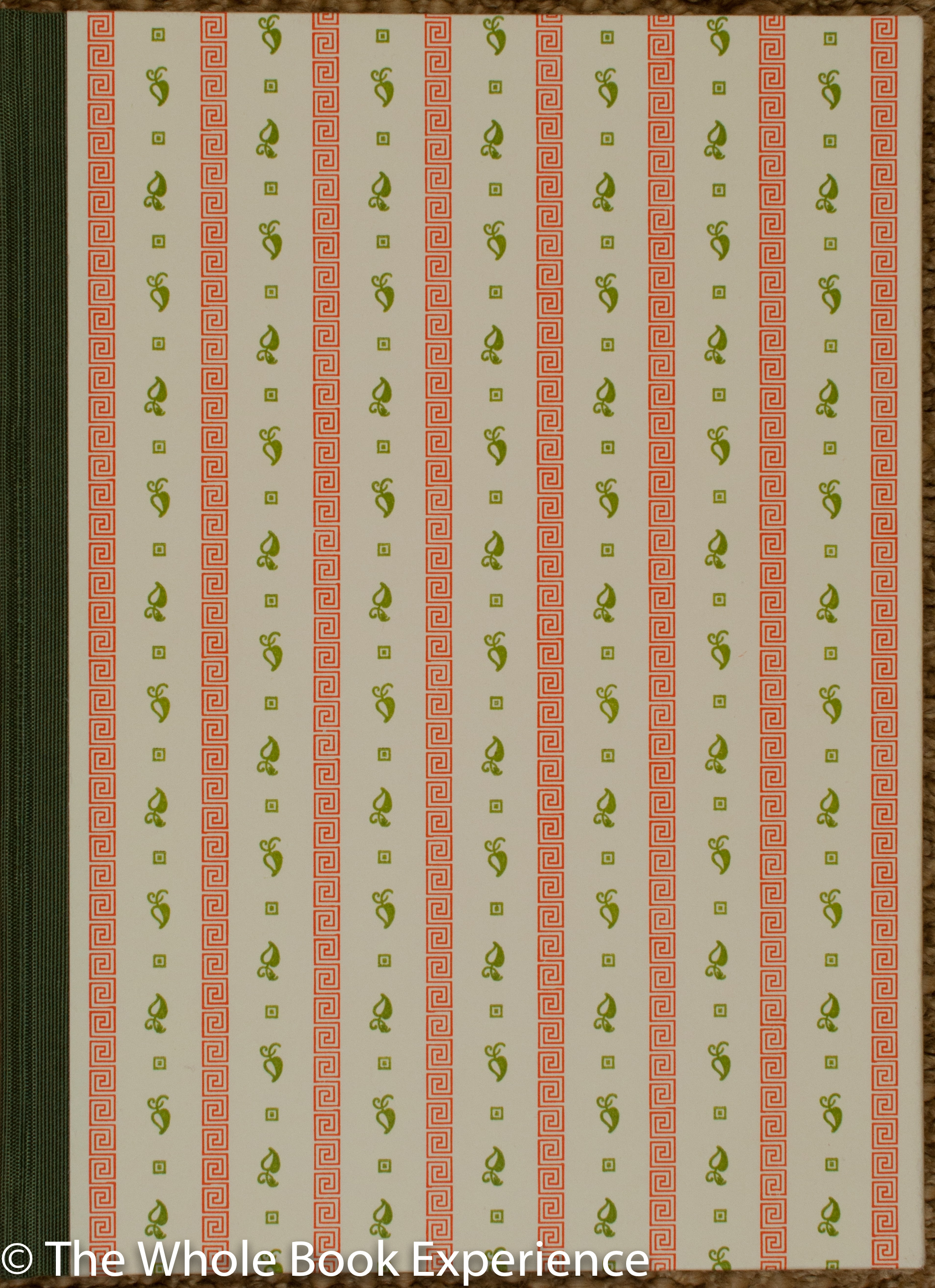 I have definitely dawdled and procrastinated on this review of the Barbarian Press’ latest treasure, Fancy: 8 Odes of John Keats. Maybe it makes more sense to call it indolence since that is one of the subjects of Keats’ Odes. And unfortunately not because of the “evenings steep’d in honey’d indolence” of which Keats speaks. The business of life has been keeping me from writing but not from reading: I have read and re-read this beautiful, slim volume two or three times since I received it. The poems are masterpieces. We all already know that; whether or not they are to our taste. Continue reading
 …“Whom again do I persuade
to take you back into her love? Who,
Sappho, is doing you wrong?”
These lines from a poem of Sappho speak to us across the millennium. It’s been twenty-six centuries since this intriguing and unforgettable woman lived on an island on the seam between ancient Greece and Asia. Her poetry and fame is transmitted to us in tantalizing fragments, in commentaries by admiring poets, writers, and scholars from near her own time and up through the millennia. Classicists are still finding, translating, puzzling over, and debating fragments today. In her insightful Introduction, Paige duBois says
 Judgments on Sappho’s erotic life have troubled the readings of the poems for millennia.
In any case, for the classical Greeks, Sappho’s desire seems to have been a matter of some interest, but not of negative judgment. Continue reading

This marvelous essay by French Philosopher, activist, and Christian Mystic Simone Weil came along at just the right time for me. I’ve been studying the Yoga Sutra of Patañjali while completing my 200 –hour yoga certification and thinking a lot about the yogic discipline of Ahimsa, or non-harming. In doing some research on Weil after reading the essay, I find that she learned Sanskrit after becoming interested in the Bhagavad Gita and the Upanishads of India. I wonder if she might not also have run across the Yoga Sutra or maybe she absorbed the concept of ahimsa from the other two texts. Either way, the ideas she develops  regarding the use of force and war in The Iliad really resonated with the term. Her familiarity with the Iliad makes sense as she had already mastered ancient Greek by the time she was twelve, maybe in part due to her love for this first, and according to her, only epic of the Occidental world. On top of this resonance with my personal situation right now, it’s a timely reminder in this age of perpetual war of the futility of force and war as a way to make the world better. Continue reading

 This short novel by Willa Cather is a great example of the Schiff-era output of The Limited Editions Club as he changed the direction of the LEC from using book illustrators and graphic artists to using “fine art” artists to produce Livres d’Artiste style books. While I haven’t seen a lot of the Schiff produced books, the emphasis does seem to be on the artist over the writer and the work of literature. In this case, the choice of author can certainly be justified. Willa Cather was a well-respected writer of the early 20th century and was a Pulitzer Prize winner. The illustrations are perfectly suited to the text. The book itself is beautiful and it was a joy to read. Continue reading
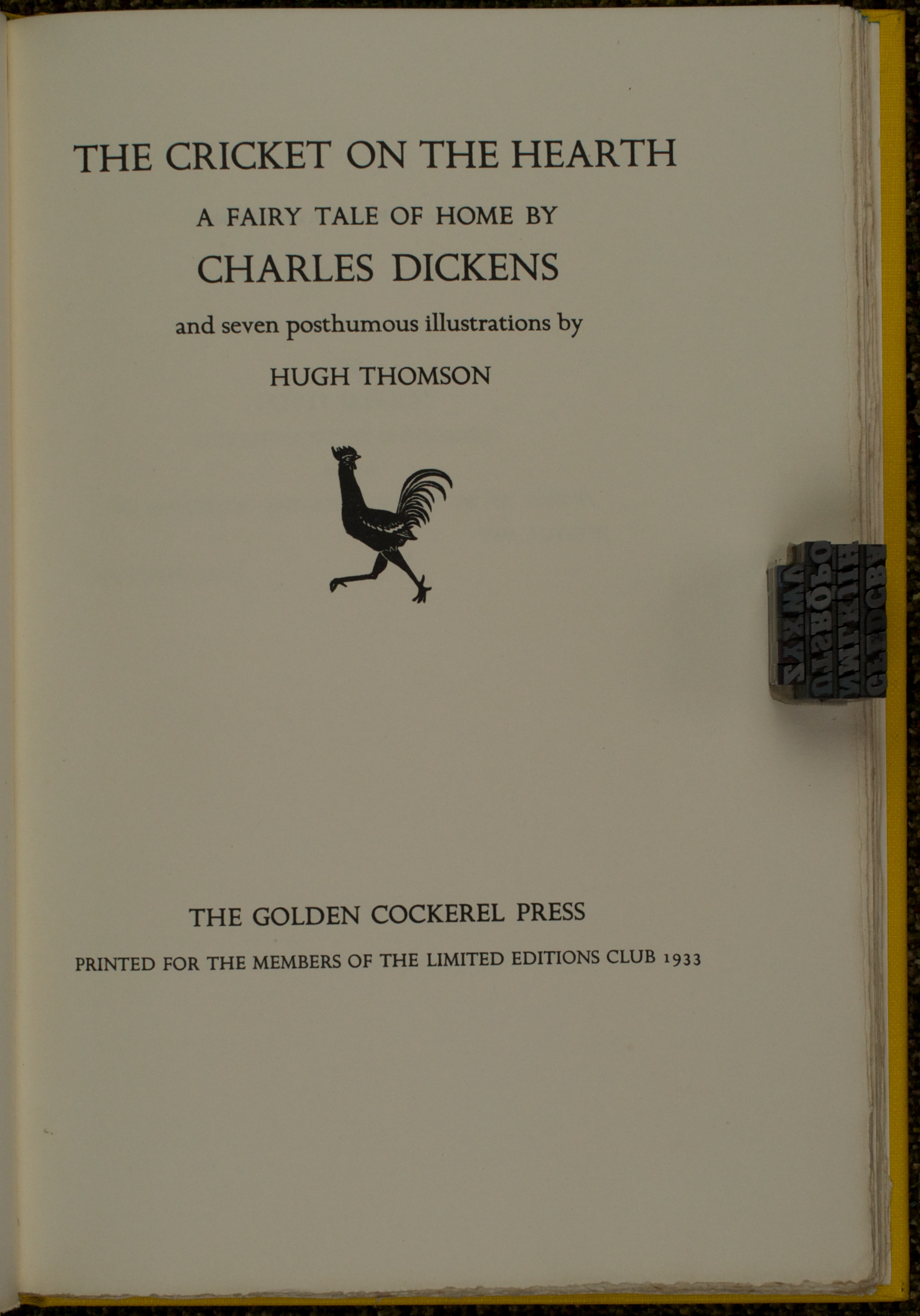
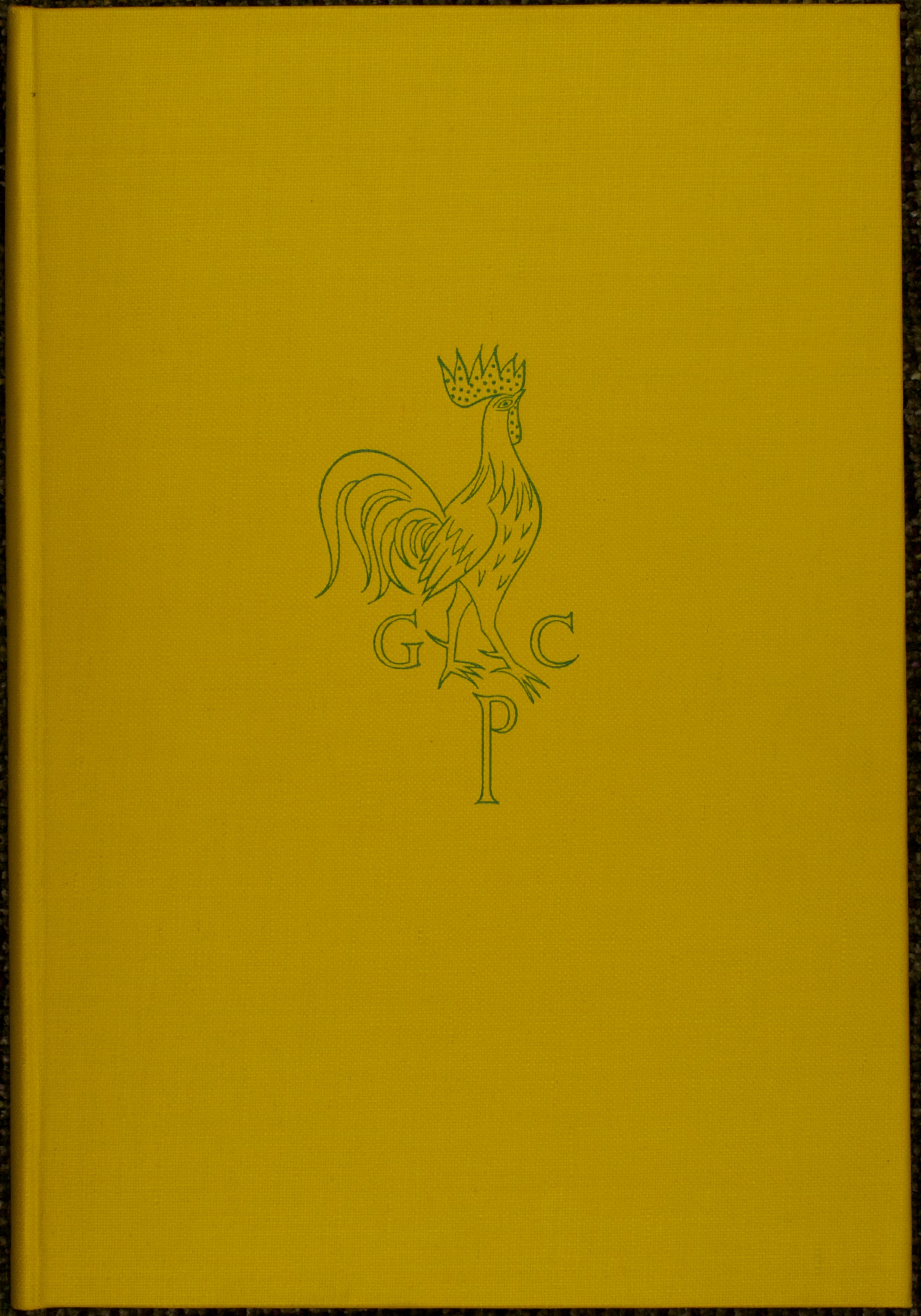 I’ve read a lot of Dickens in my life, but I believe the only one of his Christmas books that I’ve read before this review is The Chimes. I love his novels and hope to get through them all at some point in this too-short reader’s life, including the rest of his Christmas books. I have reviewed two of the stage adaptations as published by the Barbarian Press. For this year’s holiday review, through the kind loan from a fellow fine press lover, I had the opportunity to read and review the Limited Edition’s Club edition of The Cricket on the Hearth. Continue reading
It is with great sadness that I honor the memory of David Johnston of the Prototype Press, who passed away suddenly last month. Your energy, enthusiasm, and love of books and printing will be missed. Rest in Peace, my friend.
Please check out this link to learn more about this amazing program that is being threatened by shortsighted college administrators.
If you are a regular reader here, you will know how rare programs like the Mills College Book Arts are. Sign the petition and help them generate 5000+ signatures. Write the administration if you want to go the extra yard.